
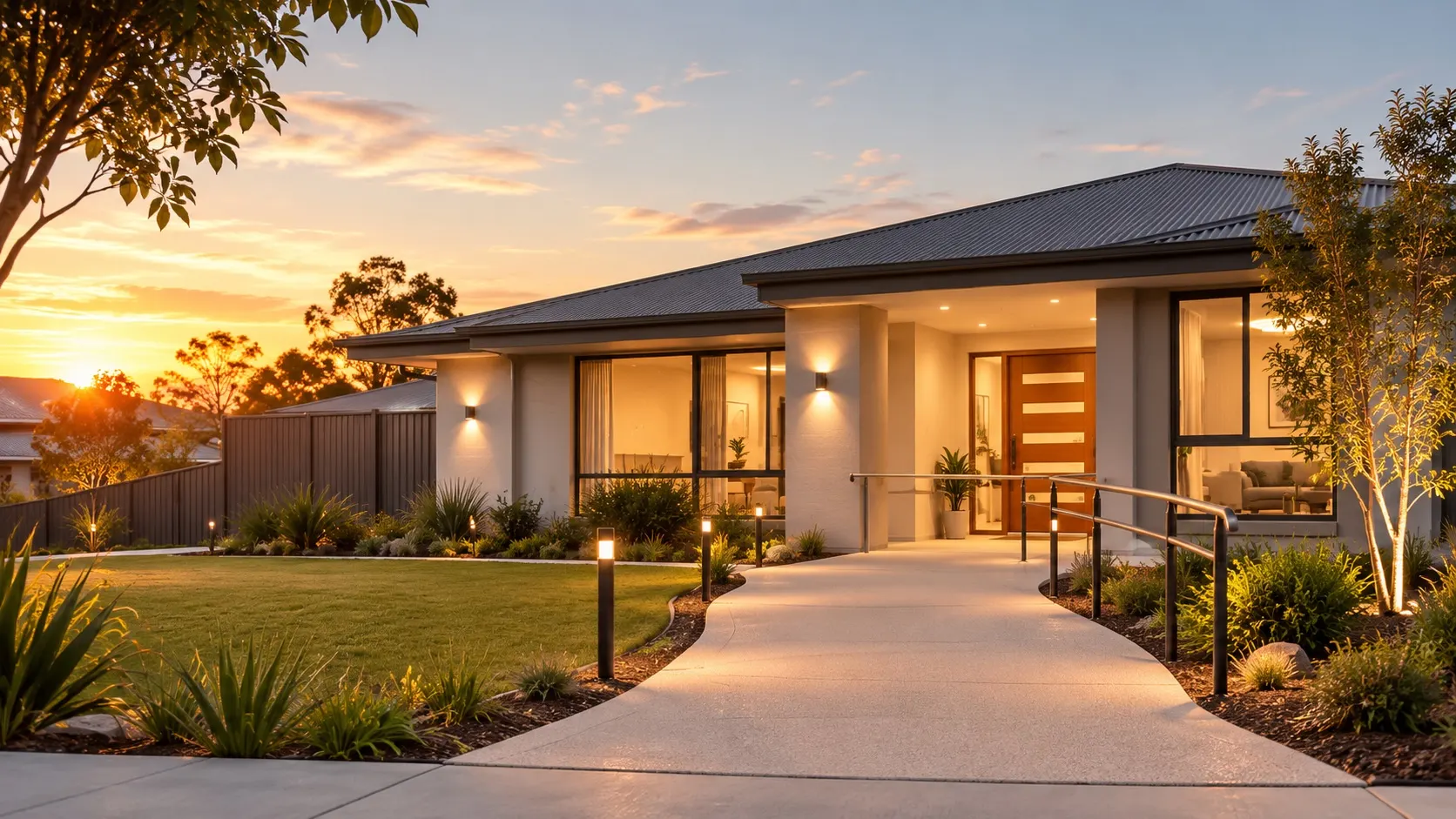
Specialist Disability Accommodation home

Is SDA a good investment? Returns, risks and how it works

By The Find My SDA Team · Updated 31 Jul 2026

Specialist Disability Accommodation is often described as an investment that does good and pays a return. This guide explains, in plain terms, how SDA investment works, where the returns come from, and the risks worth understanding first. It is general information about how SDA tends to work, not financial, legal or tax advice; always get independent advice before you invest.

Where SDA investment returns come from

An SDA investment earns from two income streams. The first is the SDA payment funded through the NDIS, which is set by the home's design category, building type, number of residents, new build status and location. The second is the Reasonable Rent Contribution paid by the tenant, generally a portion of the Disability Support Pension plus any Commonwealth Rent Assistance.

Together these give SDA property investment an income profile that is different from a standard rental, because a large part of the income is tied to NDIS funding rather than the open rental market.

Why returns vary between homes

The return that matters is the one that stays tenanted, so demand and design matter more than a headline figure. Higher-need categories such as High Physical Support and Fully Accessible attract higher SDA payments because they cost more to build, but a home only earns the SDA payment while an eligible participant lives in it.

Location is a big factor. In South Australia, well-located homes across greater Adelaide, close to transport, health services and support providers, tend to attract and keep tenants better than homes that are hard to reach.

The risks worth understanding

Vacancy is the main risk, because the SDA payment stops when the home is empty. The best protection is the right design category in the right location, plus professional tenant matching and compliance management.

Government settings and SDA price limits are reviewed over time, so returns can change. Enrolled homes also carry ongoing compliance obligations, and SDA is a long-term hold rather than a quick resale. None of this makes SDA a bad investment; it makes it one you should go into with your eyes open.

What to check before you buy

Whether you buy through us or elsewhere, look at the SDA enrolment and its design category, the current tenancy status and vacancy history, the demand for that category in that suburb, the provider and management agreements attached to the property, and the certification paperwork from the accredited SDA assessor.

Find My SDA helps with due diligence on enrolment, tenancy and demand, and we manage tenant matching, NDIS payments and compliance for the homes we look after. We do not offer to upgrade or convert homes to SDA ourselves; accredited SDA assessors and builders do that work.

This describes the general process we follow, and it is subject to change. It is information only, not a guarantee of any outcome or return.

So, is SDA a good investment?

SDA can suit patient investors who want a long-term asset with both financial returns and genuine social impact, provided the home is well designed, well located and well managed. It is less suited to someone looking for a short hold or guaranteed income.

This guide is general information only. Your own circumstances, funding and goals matter, so speak to an independent financial, legal and tax adviser before you commit.

Common questions

How do SDA investment returns work?

Income comes from two sources: the SDA payment funded by the NDIS, set by the home's design category, building type and location, and a Reasonable Rent Contribution from the tenant. The SDA payment flows only while an eligible participant lives in the home.

What is the main risk with an SDA investment?

Vacancy is the main risk, because the SDA payment stops when the home is empty. The right design in the right location, plus professional management, is the best protection.

Is SDA a good investment in South Australia?

Well-located, well-designed and well-managed SDA homes across greater Adelaide can attract and keep tenants, which is what drives the return. It suits patient, long-term investors rather than short holds. Get independent advice for your own situation.

Do you convert existing homes to SDA?

No. We assess suitability and handle tenant matching and management, but we do not carry out upgrades or certify homes. Accredited SDA assessors and builders do that work.

More guides

What is SDA? Specialist Disability Accommodation ExplainedSpecialist Disability Accommodation (SDA) is specially designed NDIS housing for people with extreme functional impairment or very high support needs. Learn what SDA is, who it is for, what the funding covers, and how to find an SDA home.The Four SDA Design Categories ExplainedEvery SDA home is built to one of four NDIS design categories: Improved Liveability, Fully Accessible, Robust and High Physical Support. Learn what each category means and how to find homes in the one you are funded for.Am I Eligible for SDA? NDIS SDA Eligibility ExplainedSDA is funded for a small number of NDIS participants with extreme functional impairment or very high support needs. Learn how SDA eligibility works, what evidence helps, and what to do if SDA is not in your plan yet.How SDA Funding Works: NDIS SDA Payments ExplainedSDA funding pays for the specially designed home, is paid to the SDA provider, and sits alongside a reasonable rent contribution. Learn what SDA funding covers, what you pay, and what sets the amount.Moving Into an SDA Home in Adelaide: What to ExpectA plain-English guide to moving into a Specialist Disability Accommodation home in Adelaide and South Australia: from finding a vacancy and enquiring, to inspections, tenancy agreements and settling in.SDA vs SIL: What Is the Difference?SDA is the specially designed home; SIL is the day-to-day support you receive in it. Learn the difference between Specialist Disability Accommodation and Supported Independent Living, and how the two work together in your NDIS plan.How to Choose an SDA Provider in South AustraliaChoosing an SDA provider is a big decision. Learn what an SDA provider does, the questions worth asking, and what to look for when finding Specialist Disability Accommodation in Adelaide and South Australia.Accessible Home Features in SDA ExplainedSDA homes include accessible features like step-free access, wider doorways, accessible bathrooms and ceiling hoists. Learn what these features are, which SDA design category they belong to, and how to find a home with the features you need.SDA Investment in South Australia: A Local GuideA South Australia focused look at SDA investment: why local demand and location matter, what to consider in the Adelaide market, and how SDA property investment works in SA. General information, not financial advice.How to Change SDA Providers: A Step-by-Step GuideYou can change SDA providers as an NDIS participant. This step-by-step guide covers why people switch, notice periods, lining up a new home first, giving notice, and updating your NDIS plan.SDA Waitlists Explained: Why They Happen and How to Navigate OneSDA waitlists exist because purpose-built homes are scarce and demand outpaces new builds. Learn why SDA waitlists happen, how vacancy matching works, and practical ways to move through a waitlist faster.Types of SDA Housing: Apartments, Villas, Houses and Group HomesSDA homes come in a few different building types, from self-contained apartments to shared group homes. Learn what each SDA housing type means, how many people live in one, and how to find the right fit in South Australia.How to Apply for SDA: Getting SDA Funding in Your NDIS PlanSDA is funded through your NDIS plan, not applied for separately. Learn the practical steps to request SDA, the evidence that helps, and what happens after you ask, explained in plain language.NDIS Housing Options Explained: SDA, SIL, ILO and Short-Term OptionsSDA, SIL, ILO, MTA and STA all sound similar but do different things. This plain-English guide explains each NDIS housing and living-support option, how they fit together, and where to start if you are looking for an SDA home.Reasonable Rent Contribution in SDA: What You Pay ExplainedIn an SDA home you usually pay a Reasonable Rent Contribution on top of your SDA funding. This guide explains what the RRC is, how it is commonly worked out, and what it does and does not cover.SDA Management Fees Explained: What Landlords Actually PayA plain-English breakdown of SDA management fees: fee-for-service vs fee-to-engage, letting fees, onboarding costs and how to compare quotes fairly.SDA Property Management for Landlords: How to Choose a PartnerA landlord's guide to SDA property management: what a partner does, questions to ask before signing, warning signs, and how vacancy payments work.Do Landlords Pay to Lease an SDA Home?Do landlords pay to lease an SDA home? Learn who covers advertising and matching, what a letting fee normally covers, and what $0 upfront really means.What are the SDA design categories, and how do you know which one you need?SDA design categories explained: Improved Liveability, Fully Accessible, Robust and High Physical Support, and how the NDIS decides which one suits you.Who is eligible for SDA?Who is eligible for SDA under the NDIS? Learn the functional impairment and support needs rules, how the NDIA decides, and what evidence you need.What's the difference between SDA and SIL?SDA (Specialist Disability Accommodation) and SIL (Supported Independent Living) are different NDIS supports. Here's how they differ and when you might need both.How do you find SDA vacancies in South Australia?Looking for SDA vacancies in South Australia? Here's how the NDIS SDA Finder works, who else can help, and what to check before you view a home.High Physical Support SDA Explained: Features, Design and EligibilityHigh Physical Support SDA is the highest-need NDIS design category. Learn who it is for, the mandatory design features like ceiling hoists, and how it compares to other SDA homes.Can You Choose Who You Live With in SDA?Choice and control is a core NDIS principle. Learn how much say you get over who you live with in SDA, how vacancy matching works, and what to do if a share home is not working.Can Family Live With You in an SDA Home?Yes, a partner, family member or friend can usually live with you in an SDA home, even without NDIS funding. Learn how Appendix H, rent and the staff room work.Does the SDA Rent Contribution Cover Utilities?In SDA, the reasonable rent contribution covers your accommodation, not your everyday utilities. Learn what the rent contribution includes, who pays for electricity, gas and water, and how it all fits together.